
Call: 08071931364
 Send Inquiry
Atonik Harmone (1 ltr)
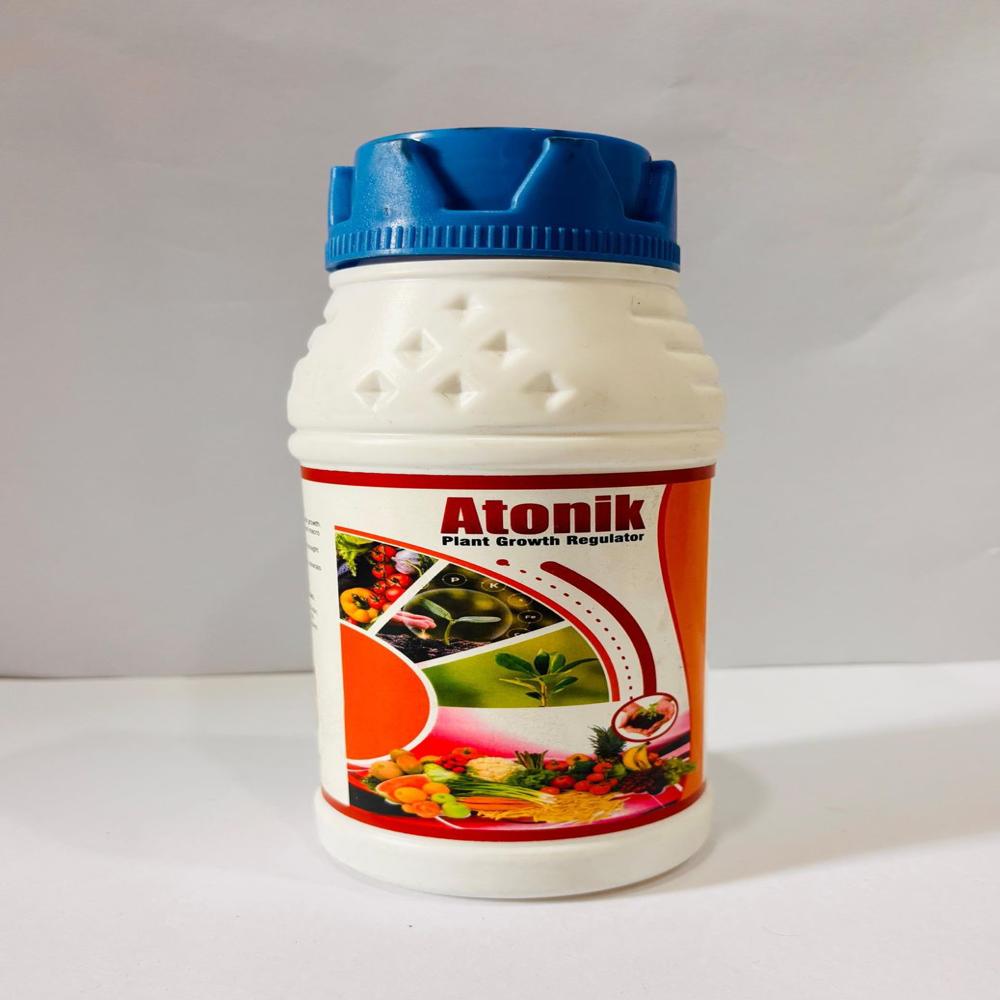

Atonik Harmone (1 ltr) Specification
- Solubility
- Completely soluble in water
- Usage
- Used for overall plant growth, to improve yield and crop vigor
- Shelf Life
- 2 years
- Packaging Type
- HDPE Bottle
- Application Method
- Foliar spray or soil drenching
- Formulations Type
- Liquid formulation
- Target Crops
- Cereals, vegetables, fruits, cash crops, pulses
- Active Ingredient
- Sodium para-nitrophenolate, sodium ortho-nitrophenolate, sodium 5-nitroguaiacolate
- Odour
- Mild characteristic odour
- Classification
- Plant Growth Regulator
- Chemical Name
- Sodium nitrophenolate mixture
- CAS No
- 124-68-5
- EINECS No
- 208-923-9
- MF
- C14H9NaO5
- Application
- Used to promote plant growth, flowering, root development, and fruit setting
- Physical State
- Liquid
- Release Type
- Controlled
- Product Type
- Plant growth hormone
- Storage
- Store in cool, dry place away from direct sunlight
- Dosage
- 1-2 ml per litre of water (as per crop requirement)
- Stability
- Stable under normal conditions
- Toxicity
- Non-toxic to recommended crops when used as directed
- pH Range
- 6.0 - 7.5
- Mode of Action
- Stimulates cell elongation and division in plants
- Colour
- Amber or yellowish brown liquid
- Regulatory Approval
- Complies with national standards for plant growth regulators
- Bottle Size
- 1 litre
- Purpose
- Increases plant resistance to stress and abiotic factors
- Compatibility
- Compatible with most agrochemicals
Atonik Harmone (1 ltr) About
Discover a hot deal on Atonik Hormone (1 ltr) - the brilliant, optimum solution for plant growth and vigor! With its amber, non-toxic, water-soluble formulation, this excellent growth regulator is designed to stimulate plant cell elongation and division, boosting your crop yield and resistance to stress. Fully compatible with most agrochemicals, Atonik Hormone promises safe and reliable performance-add to cart and shop now for superb flowering, root development, and fruit setting. Complying with national standards, it comes in a durable HDPE bottle, ensuring stability and a long shelf life.
Performance Benefits and Commercial Use
Atonik Hormone (1 ltr) stands out with its competitive advantages, offering fast-acting results for cereals, vegetables, fruits, cash crops, and pulses. Its primary commercial uses include enhancing plant resistance to stress, improving yield, and promoting vigorous growth. The liquid formulation, completely soluble in water, makes it ideal for professional foliar spray or soil drench applications. Trusted by manufacturers and suppliers across India, it is the optimum choice for consistent crop management and productivity.
Quick Dispatch and Market Coverage
Experience quick dispatch of Atonik Hormone (1 ltr) right after your purchase order is confirmed. Orders are handed over swiftly, ensuring timely delivery to your doorstep. With flexible shipping options, we ship majorly from leading FOB ports, catering to multiple regions within the main domestic market-India. Our streamlined logistics guarantee your product arrives securely and promptly, meeting your commercial agricultural needs without delay.
Performance Benefits and Commercial Use
Atonik Hormone (1 ltr) stands out with its competitive advantages, offering fast-acting results for cereals, vegetables, fruits, cash crops, and pulses. Its primary commercial uses include enhancing plant resistance to stress, improving yield, and promoting vigorous growth. The liquid formulation, completely soluble in water, makes it ideal for professional foliar spray or soil drench applications. Trusted by manufacturers and suppliers across India, it is the optimum choice for consistent crop management and productivity.
Quick Dispatch and Market Coverage
Experience quick dispatch of Atonik Hormone (1 ltr) right after your purchase order is confirmed. Orders are handed over swiftly, ensuring timely delivery to your doorstep. With flexible shipping options, we ship majorly from leading FOB ports, catering to multiple regions within the main domestic market-India. Our streamlined logistics guarantee your product arrives securely and promptly, meeting your commercial agricultural needs without delay.
FAQ's of Atonik Harmone (1 ltr):
Q: How should Atonik Hormone (1 ltr) be applied for optimum results?
A: Atonik Hormone is best applied either as a foliar spray or by soil drenching, using 1-2 ml per litre of water, depending on crop requirements.Q: What crops can benefit most from using Atonik Hormone?
A: It is ideal for cereals, vegetables, fruits, cash crops, and pulses, enhancing overall growth, yield, and stress resistance in these target crops.Q: When is the best time to use Atonik Hormone during the crop cycle?
A: For best results, use it during active growth stages, including early vegetative, pre-flowering, and fruit-setting periods as per crop recommendations.Q: Where should Atonik Hormone be stored to maintain its efficacy?
A: Store the product in a cool, dry place away from direct sunlight to ensure its stability and maintain a shelf life of up to two years.Q: What makes Atonik Hormone safe and efficient for crop usage?
A: It is non-toxic when used as recommended, compatible with most agrochemicals, and fully complies with national standards for plant growth regulators.Q: How does Atonik Hormone promote plant growth and stress tolerance?
A: It stimulates cell elongation and division, improving root development, flowering, and fruit setting, while increasing resistance to abiotic stress factors.Tell us about your requirement

Price:
Quantity
Select Unit
- 50
- 100
- 200
- 250
- 500
- 1000+
Additional detail
Mobile number
Email

More Products in Plant Growth Regulator Category
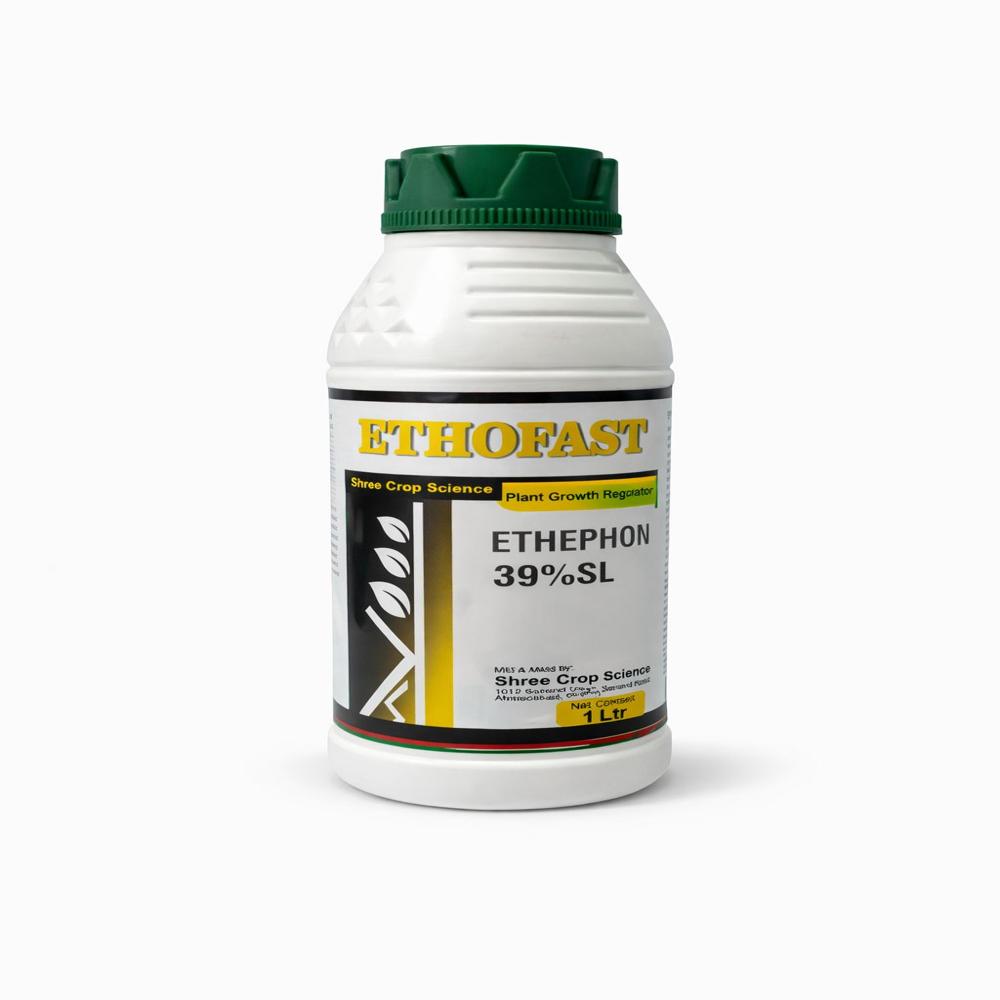
ETHOFAST - Ethephon 39% SL (500 ml)
Price 300.0 INR / Liter
Minimum Order Quantity : 100 Liters
Physical State : Liquid
Dosage : Recommended at 100 ml to 200 ml per acre depending on crop and usage
Shelf Life : 2 years from the date of manufacture
Application : Other, Used to promote ripening, abscission, and other plant growth processes
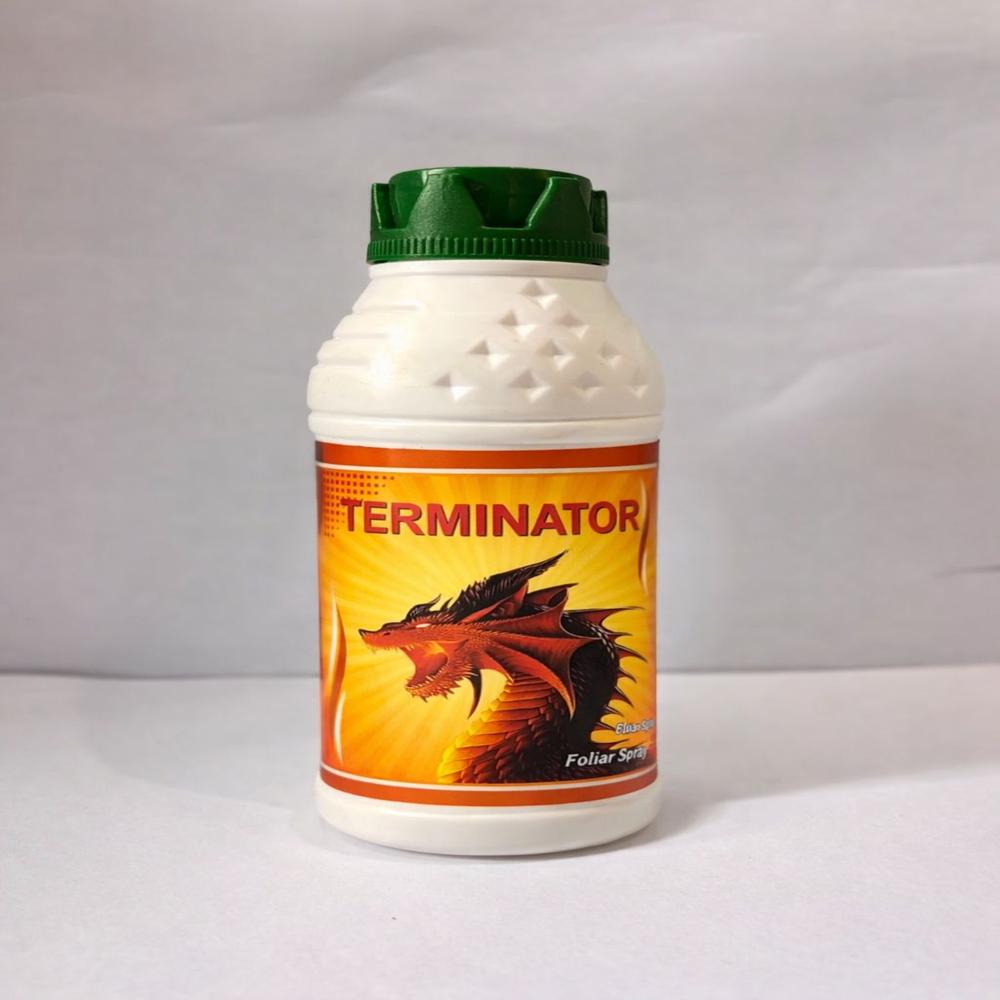
Terminator - Abamectin 1.9% Detamethrin 4% (500 ml)
Price 485.0 INR / Piece
Minimum Order Quantity : 100 Pieces
Physical State : Liquid
Dosage : 500 ml per acre or as per recommendation.
Shelf Life : 2 years from manufacturing date when stored properly.
Application : Other, Used to control piercing, sucking, and chewing pests, including mites, aphids, thrips, caterpillars, whiteflies etc. on various crops.
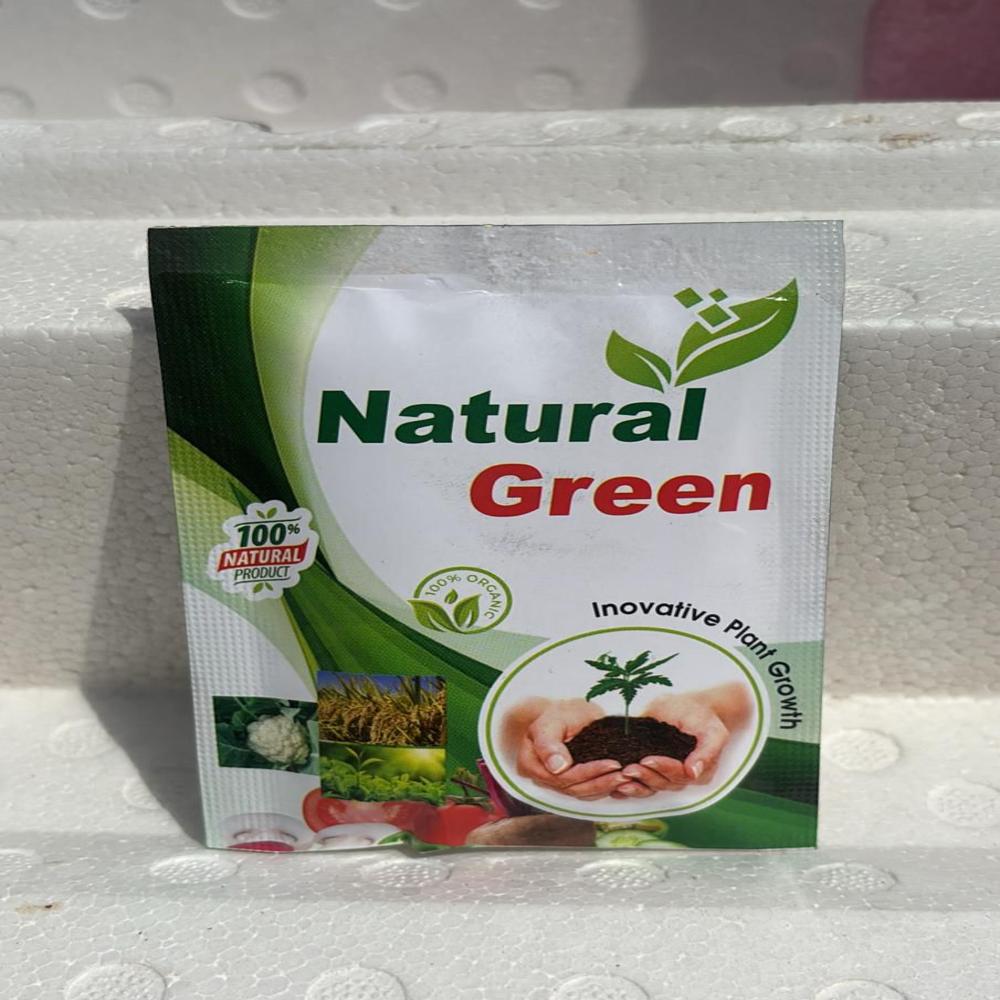
Natural green - Humic + Active Compound (10gm)
Price 15.0 INR / Pack
Minimum Order Quantity : 1000 Packs
Physical State : Powder
Dosage : 10 gm per application
Shelf Life : 3 years
Application : Other, Agricultural Fertilizer
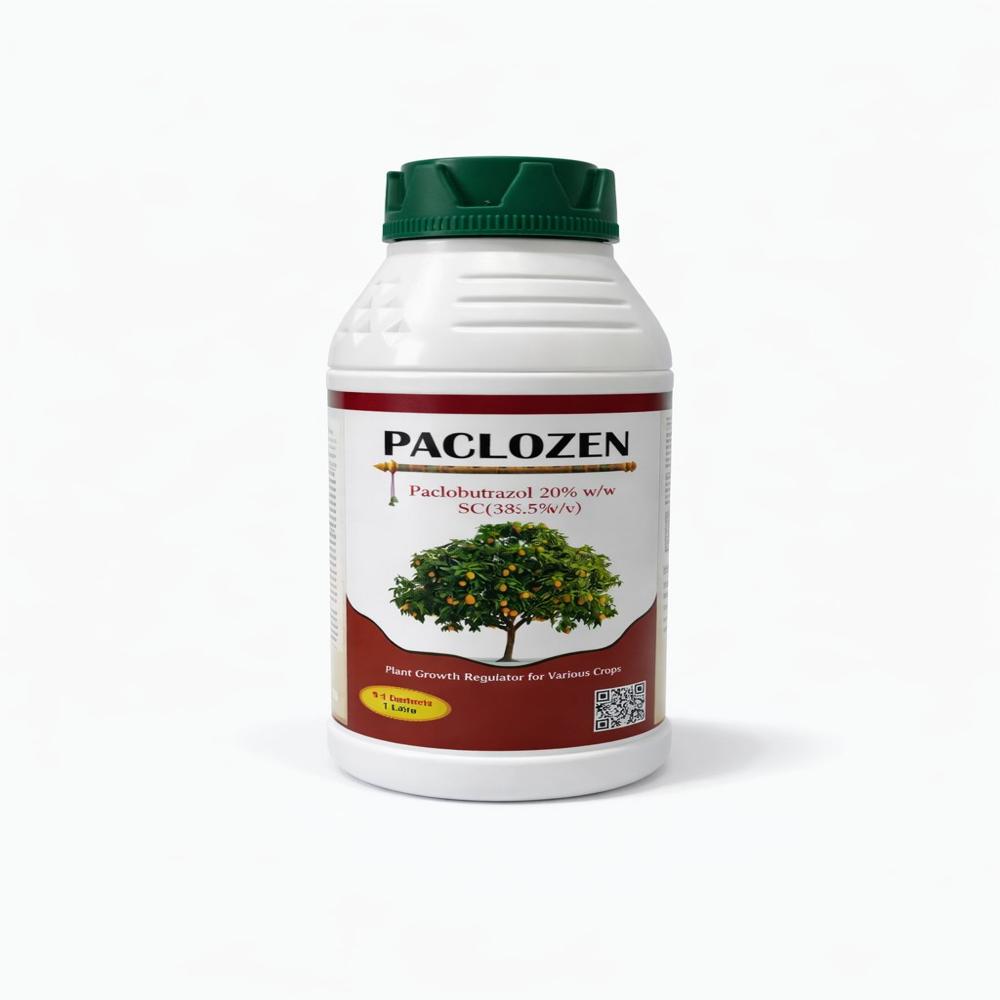
PACLOZEN - Paclabutazole 39% SC (250 ml)
Price 320.0 INR / Liter
Minimum Order Quantity : 50 Liters
Physical State : Other, Suspension Concentrate
Dosage : Use as per recommendation, typically 12 ml/L of water or as advised by agricultural expert
Shelf Life : 2 years from manufacturing date
Application : Other, Enhances flowering, fruit setting, and improves plant stature by inhibiting gibberellin biosynthesis

Contact Details
AGRI ORGANIC SOLUTION
GST : 24AERPA0525P2ZE
- B No 1013, 10th Floor,Ahmedabad - 380015, Gujarat, India
- Phone :08071931364
 Send Inquiry
|


Developed and Managed by Infocom Network Private Limited.


 English
 Spanish
 French
 German
 Italian
 Chinese (Simplified)
 Japanese
 Korean
 Arabic
 Portuguese